


 PT


- 1 minute read
 Go back
Home

Auschwitz-Birkenau, near the Polish city of Oświęcim, was the largest complex of concentration and extermination camps established by Nazi Germany. More than 1.1 million people were murdered at the complex, about 1 million of whom were Jews. Today, Auschwitz I and Auschwitz II-Birkenau form a memorial and museum dedicated to preserving the site, honoring the memory of the victims, and educating the public about the Holocaust and Nazi crimes.
What you’ll find here:
Auschwitz I and Auschwitz II-Birkenau: what’s the difference?
The history of Auschwitz-Birkenau
Why does the Auschwitz Memorial exist today?
How much time do you need to visit Auschwitz and Birkenau?
Important rules to follow during your visit
Frequently Asked Questions About Auschwitz
Prepare for your visit to Poland
Where is Auschwitz?
Auschwitz is located in Oświęcim, in southern Poland, about 50 km from Kraków. The name Auschwitz corresponds to the German name used during the Nazi occupation for the Polish city of Oświęcim.
The Auschwitz-Birkenau Memorial and Museum preserves the main areas of the former complex and is open to visitors year-round, with the exception of a few specific days.
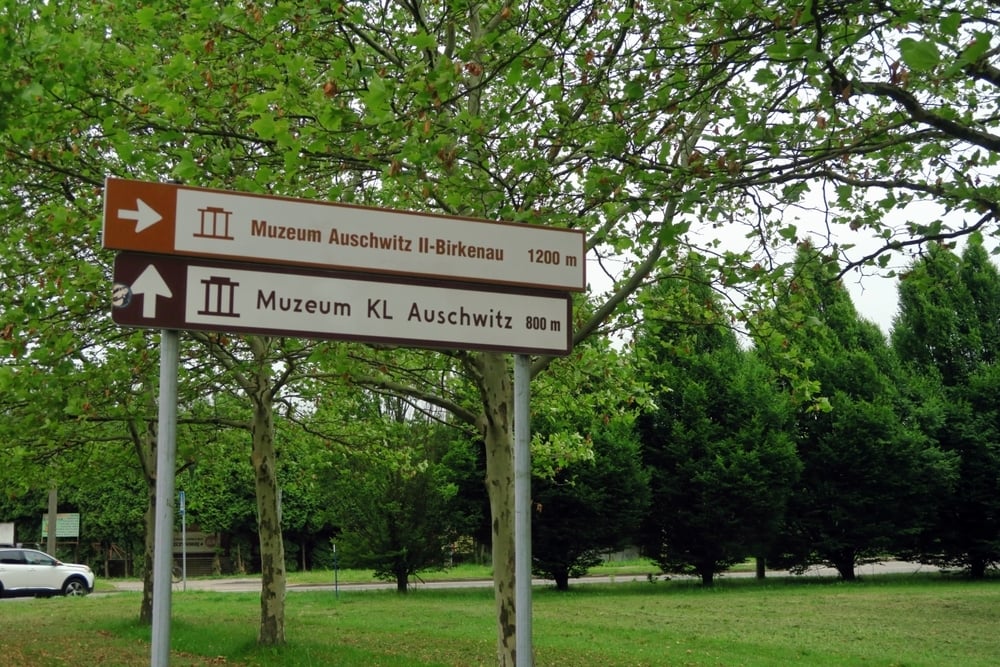
Auschwitz I and Auschwitz II-Birkenau: what’s the difference?
Auschwitz was not a single camp. The complex eventually came to include dozens of camps and subcamps. To understand the current Memorial, it is essential to distinguish between Auschwitz I and Auschwitz II-Birkenau.
|
Location |
Historical Function |
|
Auschwitz I |
Original camp and administrative center of the complex |
|
Auschwitz II-Birkenau |
Largest camp in the complex and main extermination center |
|
Auschwitz III-Monowitz |
Camp associated with industrial forced labor |
Auschwitz I was established in 1940, initially to imprison Polish political prisoners. It housed the complex’s administration, Block 11, execution sites, and the first gas chamber used at Auschwitz.
Birkenau, built later, covered a much larger area. It was here that the Nazis set up the main infrastructure for mass murder, including gas chambers and crematoria.
UNESCO notes that approximately 90% of the victims of the entire Auschwitz complex were murdered in Birkenau.
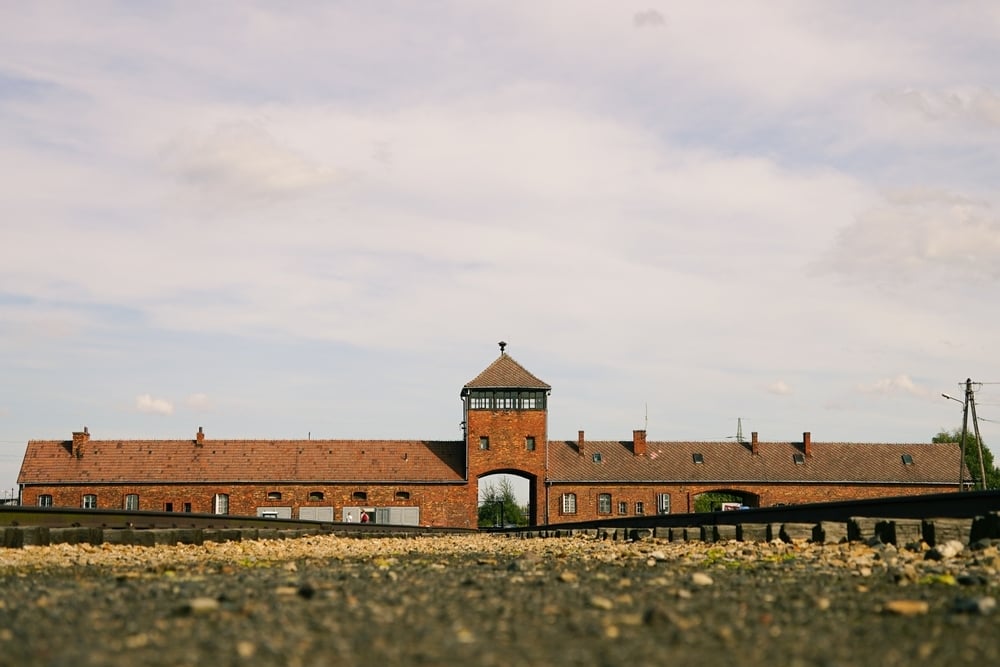
The history of Auschwitz-Birkenau
Nazi Germany established Auschwitz in 1940, during the occupation of Poland. In the early years, many of the prisoners were Polish; they were later joined by Soviet prisoners of war and people of various nationalities.
Between 1942 and 1944, Auschwitz-Birkenau became one of the main centers of the so-called “Final Solution,” the Nazi policy aimed at the extermination of European Jews.
Historical research by the Auschwitz-Birkenau Memorial estimates that approximately 1.3 million people were deported to Auschwitz and approximately 1.1 million were murdered. About one million of the victims were Jews. Among the remaining victims were non-Jewish Poles, Roma and Sinti, Soviet prisoners of war, and people of other nationalities.
The camp was liberated by the Red Army on January 27, 1945.
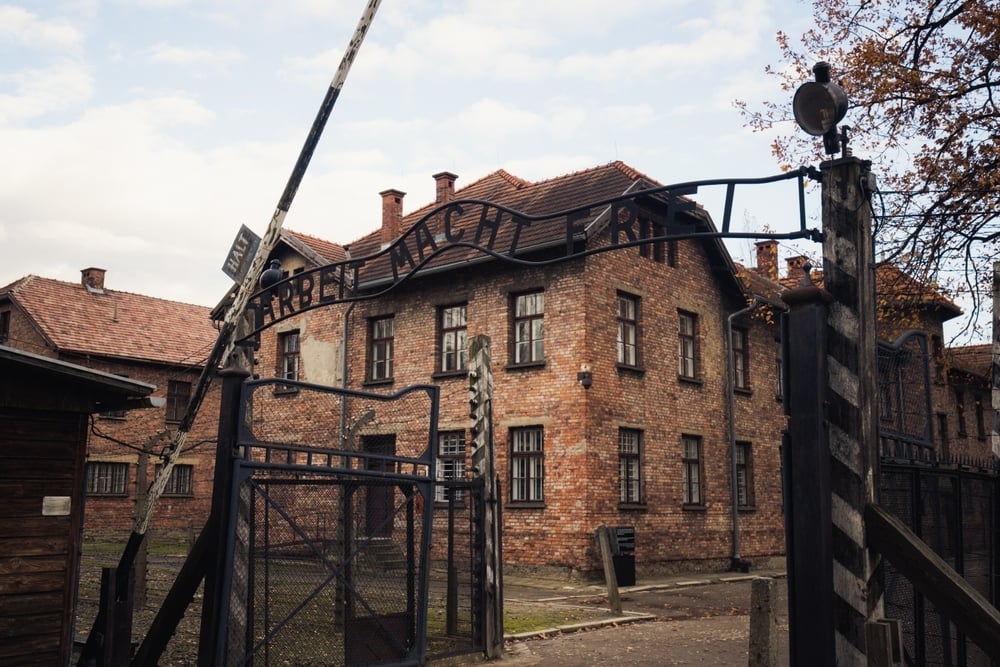
Why does the Auschwitz Memorial exist today?
After the war, part of the former complex was preserved as a memorial site. The Auschwitz-Birkenau State Museum was established in 1947.
In 1979, Auschwitz-Birkenau was inscribed on the UNESCO World Heritage List. The site preserves barracks, fences, personal belongings of the victims, ruins of the gas chambers and crematoria, and other physical evidence of the crimes committed.
A visit should therefore not be viewed as conventional tourism, but rather as a historical, educational, and commemorative experience.
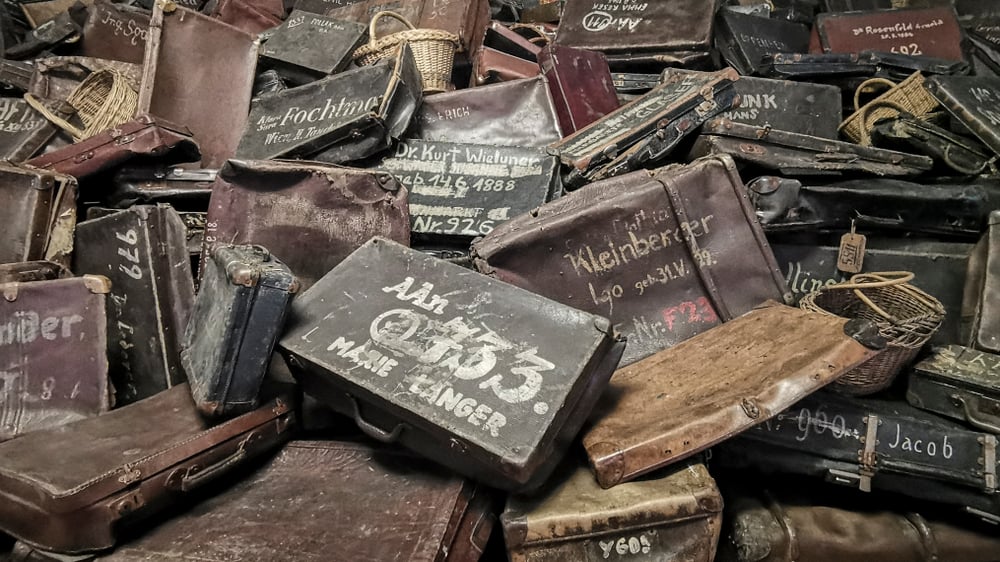
How to visit Auschwitz?
To visit Auschwitz, it’s important to plan ahead. As of March 1, 2026, all admission tickets, including free ones, are available exclusively through the official online system.
Reservations must be made at visit.auschwitz.org. Admission to the Memorial is free, but tours led by an educator-guide incur a fee.
The Museum recommends booking in advance due to high demand.
Is it worth taking a guided tour of Auschwitz?
The Memorial itself recommends visiting with an educator-guide, as this allows for a better understanding of the historical context of the sites, buildings, and exhibits.
A standard guided tour lasts about 3.5 hours and includes Auschwitz I and Auschwitz II-Birkenau. Check the official guided tour options before choosing a third-party tour operator.
How much time do you need to visit Auschwitz and Birkenau?
The Auschwitz-Birkenau Memorial recommends setting aside at least 90 minutes for Auschwitz I and another 90 minutes for Auschwitz II-Birkenau.
For a first visit, it is advisable to see both sites. Only by visiting both Auschwitz I and Birkenau can one fully understand the scale and various functions of the complex.
Important rules during your visit
Auschwitz is a memorial site and requires appropriate behavior. The Museum asks visitors to show respect and solemnity, including in their dress and when taking photographs.
There are also specific restrictions on photography in certain areas. Before your visit, please review the official rules for visiting Auschwitz.
The Museum does not recommend visits by children under 14 years of age.
Frequently Asked Questions About Auschwitz
🔹 Where is Auschwitz located?
It is located in the city of Oświęcim, in southern Poland, about 50 km from Kraków.
🔹 Are Auschwitz and Birkenau the same place?
They were part of the same complex, but they were separate camps. Auschwitz I was the original camp; Auschwitz II-Birkenau became the largest camp and the main extermination center.
🔹 Do you need to make a reservation to visit Auschwitz?
Yes. Currently, all admission tickets must be reserved in advance through visit.auschwitz.org.
🔹 Is admission to Auschwitz free?
Admission to the Memorial is free with a reservation, but guided tours led by an educator are subject to a fee.
Plan your visit to Poland
A visit to the Auschwitz Memorial requires, above all, historical preparation, time, and respect for the significance of the site. If Auschwitz is part of a broader trip through Poland, be sure to confirm your transportation arrangements, the required reservation, and the Memorial’s rules in advance.
For other unforeseen circumstances related to your trip, check out the options available under “Just in Case.”


5% discount by subscribing the newsletter!
Stay up to date with exclusive tips and special discounts. By subscribing to our newsletter, you get a 5% discount on your first Just in Case travel insurance*.
Campaign valid from 01/01/2025 to 31/12/2026.
 Not now
The personal data you provide will be processed for the purpose of sending marketing communications via e-mail. We remind you that you have the right to withdraw your consent at any time. Your data will never be used by third parties or by organizations outside Fidelidade. For further information on how we process your personal data, please consult our Privacy Policy.
This information does not exempt you from consulting the legally required pre-contractual and contractual information
The Just in Case Travel Insurance is provided by Fidelidade - Companhia de Seguros, S.A., with registered office at
Avenida Álvaro Pais, 14, 1600-007, Lisbon, Portugal
. Share Capital EUR 509,263,524 - registered with ASF under no. 1011.