


 PT


- 1 minute read
 Go back
Home

Hiroshima, Japan, is a city marked by the memory of the atomic bombing of August 6, 1945, but also by a strong cultural identity and its proximity to Miyajima. Among the main tourist attractions are Peace Memorial Park, the Peace Memorial Museum, and the Genbaku Dome. Just a few kilometers away, the island of Miyajima adds the Itsukushima Shrine and its famous torii gate standing in the water to the itinerary.
What you’ll find here:
Hiroshima: a city that goes beyond its history
What else is there to see while sightseeing in Hiroshima?
Miyajima and Itsukushima: a trip from Hiroshima
Hiroshima and Miyajima in one day?
Two World Heritage Sites in a single trip
Frequently Asked Questions About Hiroshima and Miyajima
Hiroshima: a city that goes beyond its history
For many travelers, a visit to Hiroshima inevitably begins with the history of World War II. The city was the target of the first atomic bomb ever used in war, dropped at 8:15 a.m. on August 6, 1945.
Today, Hiroshima stands as a city dedicated to honoring the memory of the victims and promoting peace. The official Hiroshima tourism website is a good starting point for exploring the region’s historical heritage, cuisine, events, and attractions.
What to visit in Hiroshima?
Hiroshima’s main tourist attractions allow you to combine memorial sites with gardens, castles, and cultural experiences.
|
Location |
Highlight |
Suggested duration |
|
Peace Memorial Park |
Memorials and Monuments |
1–2 hours |
|
Peace Memorial Museum |
History of the Bombing |
1.5–2 hours |
|
Genbaku Dome |
World Heritage Site |
30 min |
|
Hiroshima Castle |
City History |
1 hour |
|
Shukkeien |
Traditional Japanese Garden |
1 hour |
|
Miyajima |
Itsukushima and nature |
Half-day/full day |
Peace Memorial Park
Peace Memorial Park occupies a central place in Hiroshima’s contemporary narrative. The park features various monuments dedicated to the victims, including the Atomic Bomb Victims’ Cenotaph and the Children’s Peace Monument.
It is also home to the Hiroshima Peace Memorial Museum, which is essential for understanding what happened before, during, and after August 6, 1945.
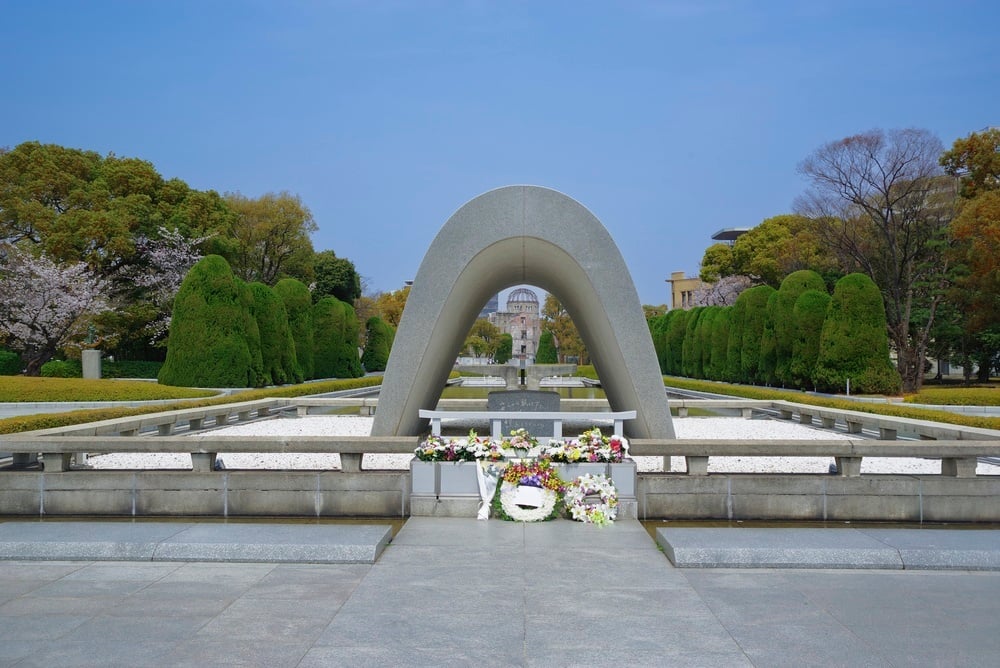
Genbaku Dome: the symbol of the Hiroshima Memorial
The Genbaku Dome, also known as the Atomic Bomb Dome, is one of the structures that remained partially standing near the hypocenter of the explosion.
In 1996, the Hiroshima Peace Memorial was inscribed on the UNESCO World Heritage List.The structure has been preserved virtually as it was after the bombing and has become an international symbol of remembrance for the victims and of peace.
What else is there to see while sightseeing in Hiroshima?
After visiting the Hiroshima Peace Memorial, it’s worth exploring other aspects of the city.
Shukkeien is a historic garden whose origins date back to 1620. Ponds, bridges, and miniature landscapes recreate various natural scenes within a compact space.
Another point of interest is Hiroshima Castle. The original building was destroyed in 1945, and the main tower was later rebuilt. Since access conditions and conservation projects may change, always check the official Hiroshima tourism website before your visit.
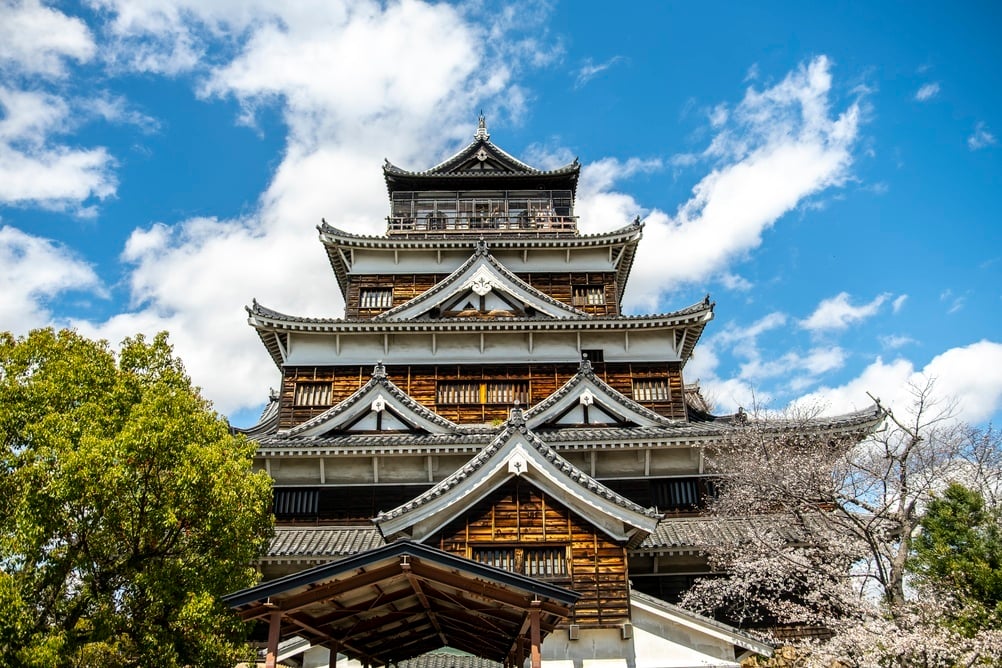
Miyajima and Itsukushima: a trip from Hiroshima
One of the great advantages of visiting Hiroshima is how easy it is to combine a visit to the city with a trip to Miyajima, the name by which Itsukushima Island is popularly known.
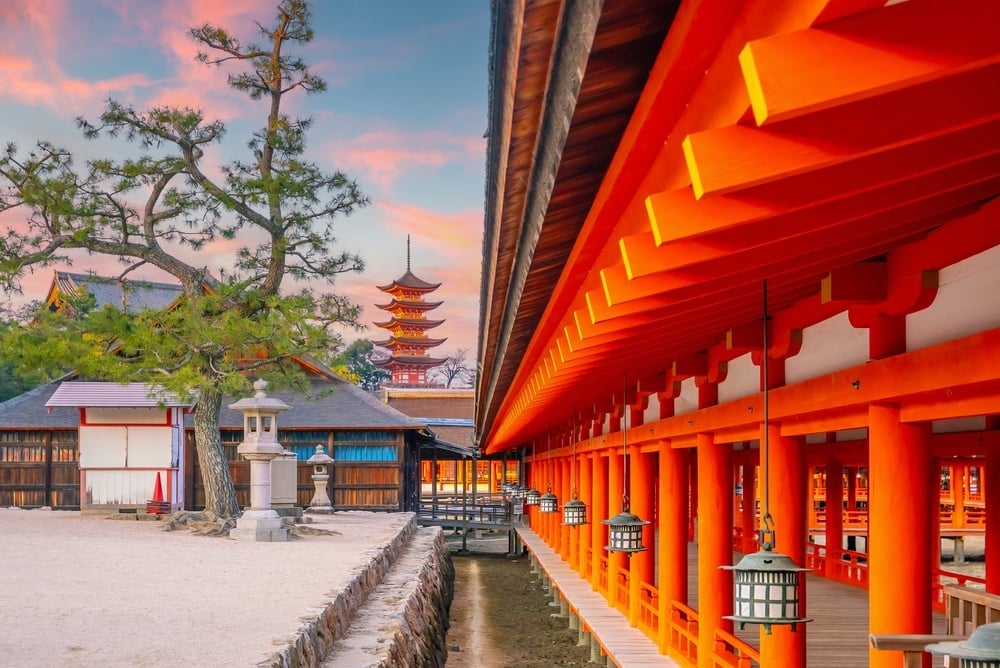
Itsukushima Shrine
Itsukushima Shrine is famous for the relationship between its architecture and the sea. The current complex dates back to the 12th century, and its buildings appear to float on the water at high tide.
Itsukushima Shrine has been a UNESCO World Heritage Site since 1996. The designation covers the shrine’s buildings and the surrounding landscape of Mount Misen.
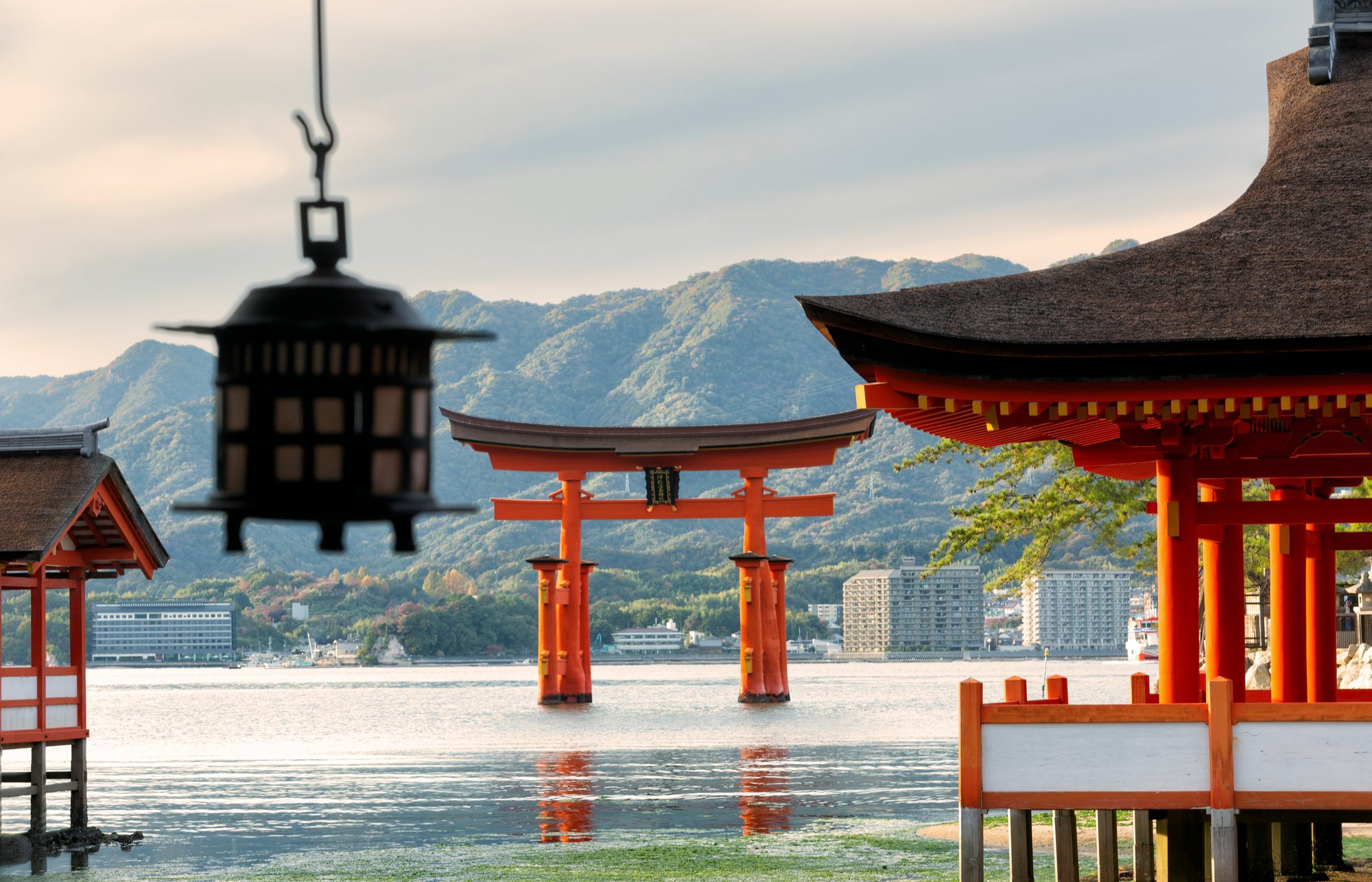
The famous torii gate of Miyajima
The great torii gate of Miyajima, standing in the sea in front of the shrine, is one of Japan’s most recognizable sights.
The experience changes with the tides: at high tide, the torii appears to float; when the water recedes, you can get a close-up view of the area surrounding it. Check the tide schedules provided by Miyajima’s official tourism office to plan your visit.
Hiroshima and Miyajima in one day?
It’s possible, but a two-day itinerary allows you to explore both destinations at a more leisurely pace.
Day 1: Peace Memorial Park → Hiroshima Peace Memorial Museum → Genbaku Dome → downtown Hiroshima.
Day 2: Trip to Miyajima Island → Itsukushima Shrine → historic district → Mount Misen, if time and conditions permit.
If you only have one day, you should set priorities, since both the museum and Miyajima are worth a leisurely visit.
Two World Heritage Sites in a single trip
Hiroshima offers the chance to explore two sites that have been designated as UNESCO World Heritage Sites since 1996, though they hold very different meanings.
|
UNESCO World Heritage Site |
Why It Stands Out |
|
Hiroshima Peace Memorial |
A memorial to the atomic bombing and a symbol of peace |
|
Itsukushima Shrine |
Shinto architecture integrated into the seascape |
This proximity makes the Hiroshima + Miyajima combination particularly noteworthy on a cultural tour of Japan.
Frequently Asked Questions About Hiroshima and Miyajima
🔹 What to see in Hiroshima?
Peace Memorial Park, the Peace Memorial Museum, and the Genbaku Dome are must-sees. Hiroshima Castle and Shukkeien Garden can round out your itinerary.
🔹 Where is Miyajima?
Miyajima is located in Hiroshima Bay. The island’s official name is Itsukushima, although Miyajima is the name most commonly used in a tourist context.
🔹 What is the Genbaku Dome?
It is a building that was partially preserved after the atomic bomb explosion in 1945 and is part of the Hiroshima Peace Memorial, a World Heritage Site.
🔹 Are Hiroshima and Miyajima worth visiting?
The two destinations offer complementary experiences: Hiroshima is home to some of the most important historical sites in modern-day Japan, while Miyajima stands out for its religious heritage and scenery.
Plan your trip to Hiroshima
Between the Hiroshima Memorial, the city’s other tourist attractions, and a visit to Miyajima, this stop can take up several days of a trip through Japan.
Before you leave, check out the options available on Just in Case and make sure you’re prepared for any unexpected events during your trip.


5% discount by subscribing the newsletter!
Stay up to date with exclusive tips and special discounts. By subscribing to our newsletter, you get a 5% discount on your first Just in Case travel insurance*.
Campaign valid from 01/01/2025 to 31/12/2026.
 Not now
The personal data you provide will be processed for the purpose of sending marketing communications via e-mail. We remind you that you have the right to withdraw your consent at any time. Your data will never be used by third parties or by organizations outside Fidelidade. For further information on how we process your personal data, please consult our Privacy Policy.
This information does not exempt you from consulting the legally required pre-contractual and contractual information
The Just in Case Travel Insurance is provided by Fidelidade - Companhia de Seguros, S.A., with registered office at
Avenida Álvaro Pais, 14, 1600-007, Lisbon, Portugal
. Share Capital EUR 509,263,524 - registered with ASF under no. 1011.