


 PT
PT


- 1 minute read
 Go back
Home
Go back
Home

The 7 wonders of the world represent the most extraordinary works created by mankind. The concept, born in antiquity with Greek lists, evolved into the modern version elected in 2007 by a global vote. Today, it generally refers to the new 7 wonders, all preserved and visitable.
What you'll find here:
The new 7 wonders of the world (2007)
The 7 wonders of the ancient world
Differences between ancient and modern
Frequently asked questions about the 7 wonders of the world
What are the seven wonders?
The seven wonders of the world are a symbolic list of monuments of exceptional value, highlighted for their historical, cultural and architectural importance. The number seven dates back to antiquity, seen as a symbol of perfection in classical civilizations. The ancient list focused on the Hellenistic world; the modern one celebrates global diversity.
The new 7 wonders of the world (2007)
Chosen by millions of votes from the New7Wonders Foundation, these wonders represent living heritage.
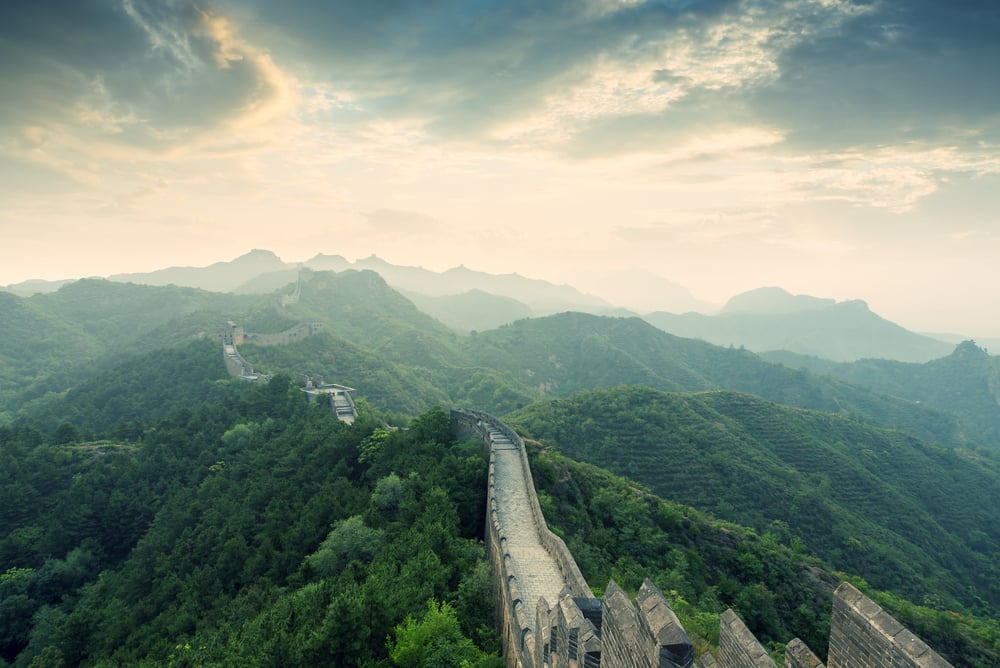
1. Great Wall of China
Country: China
One of the greatest engineering feats in history, with thousands of kilometers protecting the empire. Built between the 7th and 17th centuries BC, it crosses mountains and deserts, symbolizing resilience.
2. Petra
Country: Jordan
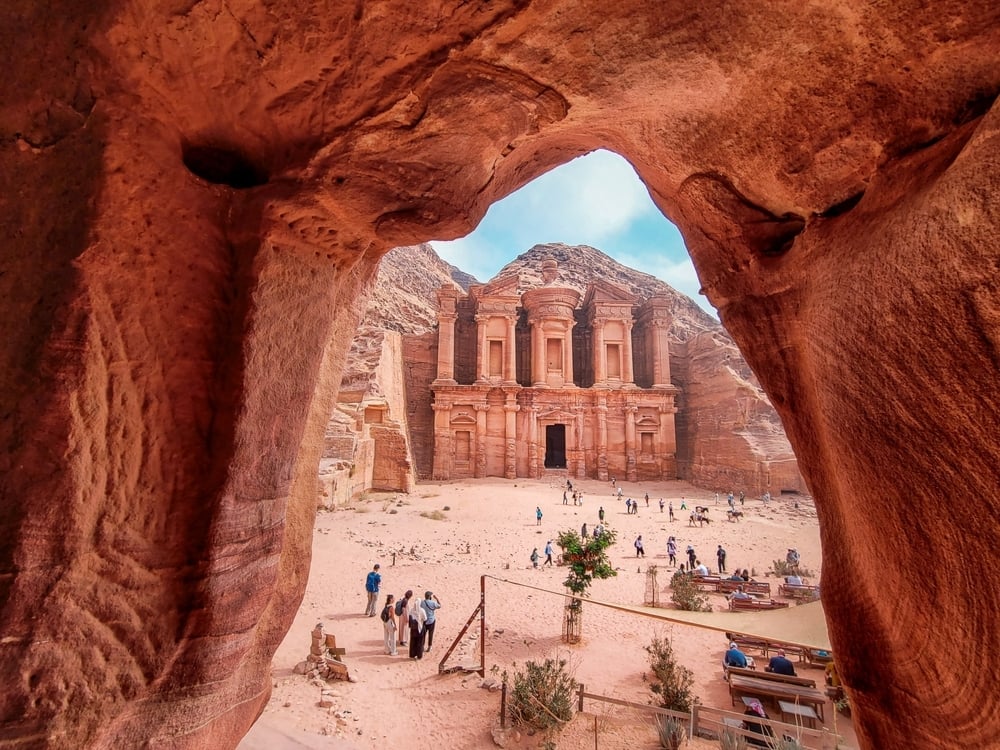
Nabataean city carved out of the pink rock of the desert, known as the Treasury (Al-Khazneh). It reached its commercial apogee between the 1st century BC and the 1st century AD, combining Hellenistic architecture with local Nabataean motifs.
3. Christ the Redeemer
Country: Brazil
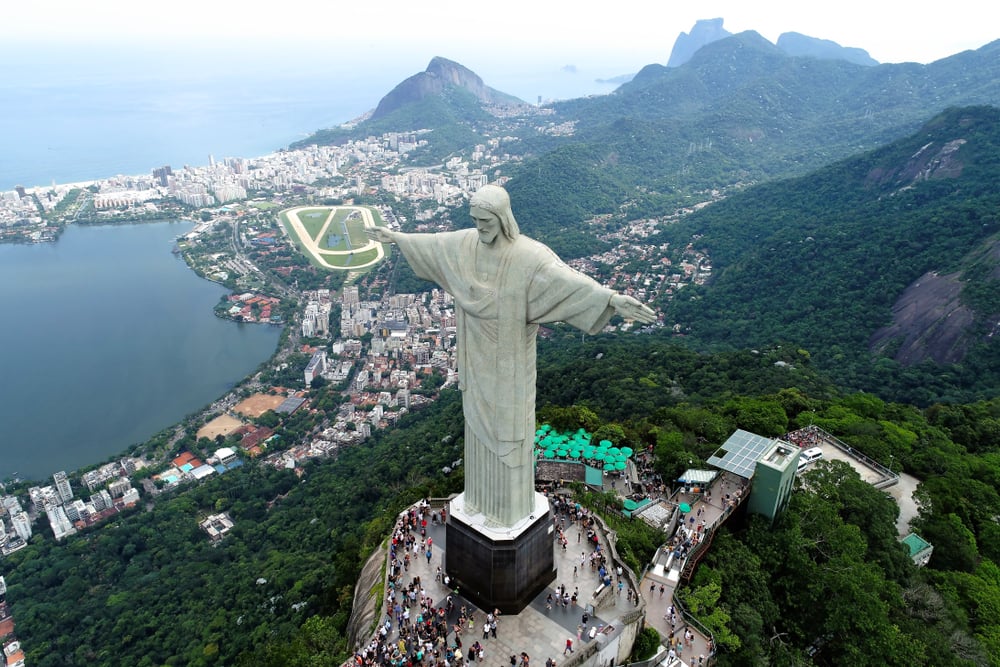
Icon of Rio de Janeiro, erected in 1931 on Corcovado. At 38 meters, its open arms symbolize peace, attracting millions of visitors every year.
4. Machu Picchu
Country: Peru
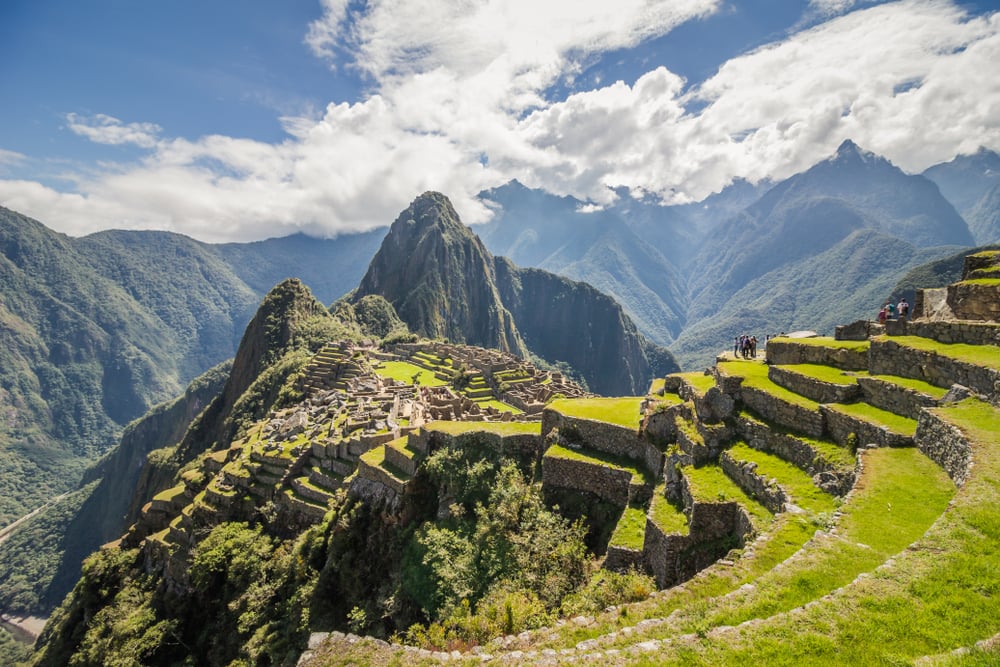
Inca city lost in the Andes, built in the 15th century. Rediscovered in 1911, it reveals advanced engineering and Andean spirituality at an altitude of 2,430 meters.
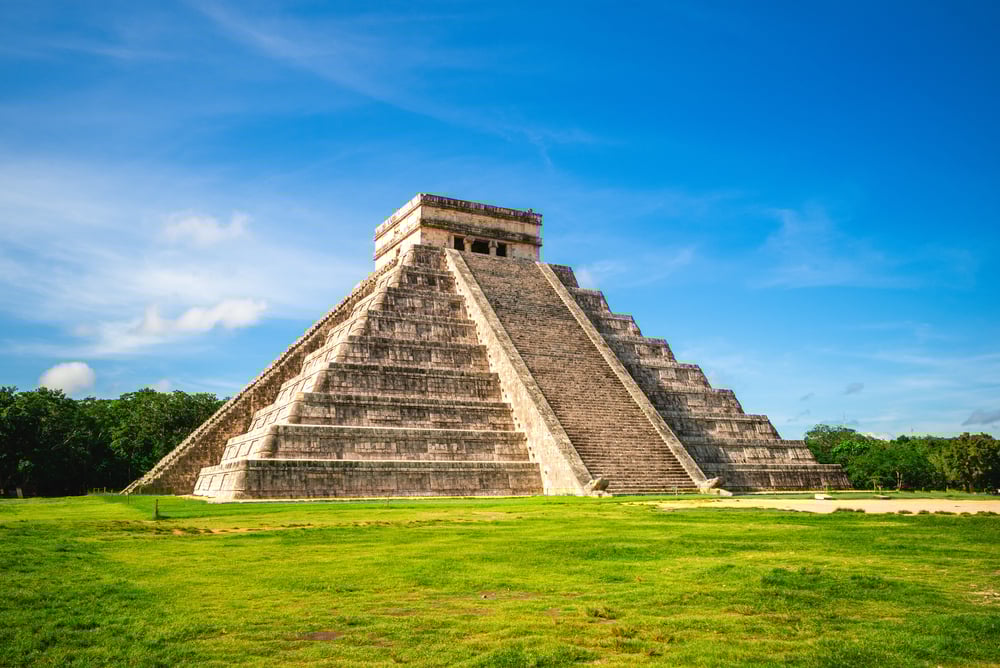
5. Chichén Itzá
Country: Mexico
5th-12th century Mayan center, famous for the pyramid of Kukulcán. The equinox creates the effect of a snake descending the steps, demonstrating astronomical knowledge.
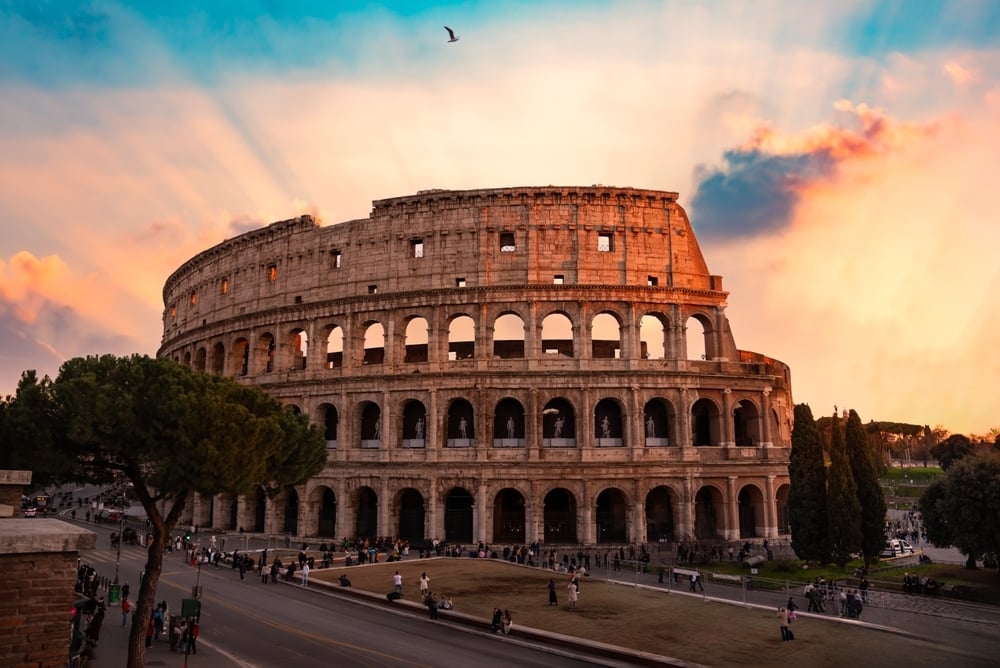
6. Colosseum of Rome
Country: Italy
Largest Roman amphitheater, inaugurated in 80 AD. Capacity for 50,000 spectators at gladiatorial combats and hunts, an icon of imperial power.
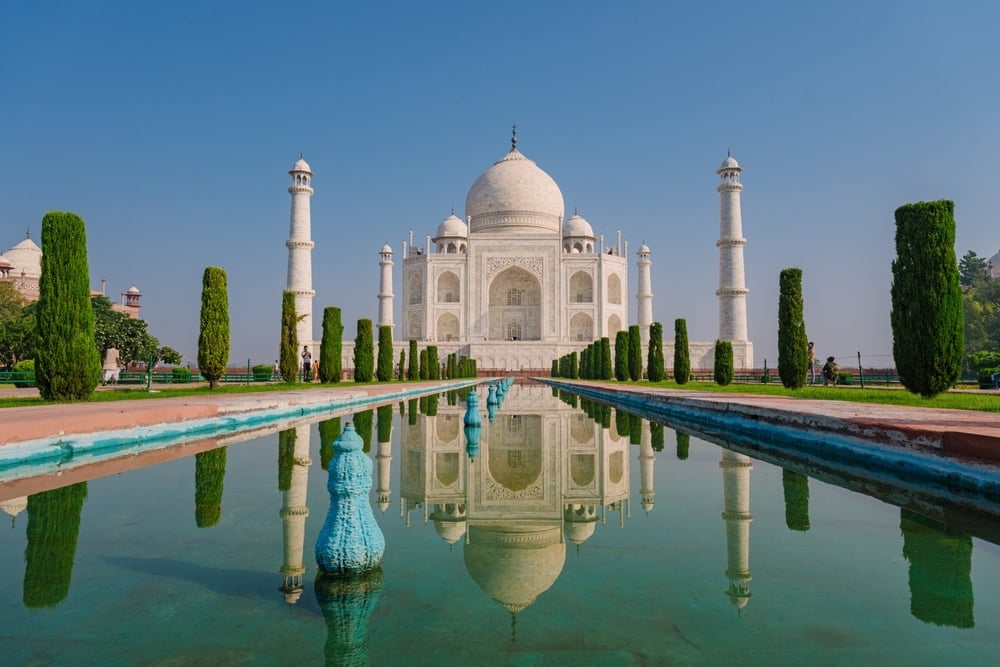
7. Taj Mahal
Country: India
White marble mausoleum, built between 1632-1653 by Shah Jahan in memory of his wife Mumtaz Mahal. It symbolizes eternal love, with gardens and perfect symmetry.
The 7 wonders of the ancient world
Compiled by Greeks such as Antipater of Sidon, it included: the Great Pyramid of Giza (the only surviving one), the Hanging Gardens of Babylon, the Statue of Zeus in Olympia, the Temple of Artemis in Ephesus, the Mausoleum of Halicarnassus, the Colossus of Rhodes and the Lighthouse of Alexandria. Almost all of them were destroyed by time, wars or natural disasters.
Differences between ancient and modern
The ancient ones date back to the classical world (7th-3rd centuries BC), centered on the Mediterranean and the Near East, with only one intact. The modern ones, chosen in 2007, cover five continents, were voted globally and are all preserved and accessible to tourists. This evolution reflects the shift from erudite admiration to democratic celebration of heritage.
Frequently asked questions about the 7 wonders of the world
Great Wall of China, Petra, ChristtheRedeemer, Machu Picchu, Chichén Itzá, Colosseum of Rome and Taj Mahal.
🔹 Do they all still exist?
Yes, the modern ones are preserved and open to visitors.
🔹 Difference between ancient and modern?
Ancient: Antiquity, mostly destroyed; modern: elected in 2007, all intact and global.
🔹 Is there an official order?
No, they all have equal status.
🔹 Why are they still relevant?
These wonders symbolize the human capacity to create and preserve global heritage, uniting history, culture and sustainable tourism. More than monuments, they represent humanity's collective legacy.
Exploring the 7 wonders of the world is a journey through centuries of history and culture, from cities carved out of the rock to monuments that have spanned empires and civilizations. To experience this journey with greater peace of mind, it's essential to think about your protection too. With Just in Case, you have the ideal plan to travel safely and without spending more than you need to, whether in a major European capital, a historic destination in Asia or a cultural adventure in Latin America. Visit our webapp, choose the Standard Plan and do a Just in Case before you set off. Because when you explore the world, taking care of yourself is a fundamental part of the trip.


5% discount by subscribing the newsletter!
Stay up to date with exclusive tips and special discounts. By subscribing to our newsletter, you get a 5% discount on your first Just in Case travel insurance*.
Campaign valid from 01/01/2025 to 31/12/2026.
 Not now
The personal data you provide will be processed for the purpose of sending marketing communications via e-mail. We remind you that you have the right to withdraw your consent at any time. Your data will never be used by third parties or by organizations outside Fidelidade. For further information on how we process your personal data, please consult our Privacy Policy.
Not now
The personal data you provide will be processed for the purpose of sending marketing communications via e-mail. We remind you that you have the right to withdraw your consent at any time. Your data will never be used by third parties or by organizations outside Fidelidade. For further information on how we process your personal data, please consult our Privacy Policy. This information does not exempt you from consulting the legally required pre-contractual and contractual information
The Just in Case Travel Insurance is provided by Fidelidade - Companhia de Seguros, S.A., with registered office at
Avenida Álvaro Pais, 14, 1600-007, Lisbon, Portugal
. Share Capital EUR 509,263,524 - registered with ASF under no. 1011.