


 PT


- 1 minute read
 Go back
Home

Sigiriya, in Sri Lanka, is an ancient royal city built around a rock formation about 180 meters high, known as Lion Rock. In the 5th century, King Kassapa I transformed the site into a fortified capital, complete with a palace at the summit, gardens, ramparts, and water systems. The Ancient City of Sigiriya has been a UNESCO World Heritage Site since 1982 and can be combined with Pidurangala, Polonnaruwa, and Ritigala on a tour of the country’s cultural heartland.
What you’ll find here:
Where is Sigiriya, in Sri Lanka?
What is the history of the ancient city of Sigiriya?
What should you see on a visit to Sigiriya?
Sigiriya or Pidurangala: what’s the difference?
Is it worth combining a visit to Sigiriya with one to Polonnaruwa?
Frequently Asked Questions About Sigiriya
Where is Sigiriya, in Sri Lanka?
Sigiriya is located in the Matale District of Sri Lanka’s Central Province, in an inland region situated among some of the country’s most important historic cities. The coordinates and official location can be found on UNESCO’s map of Sigiriya.
This location makes Sigiriya particularly interesting as part of a cultural tour: Polonnaruwa, Dambulla, and Anuradhapura can all be included in the same itinerary.
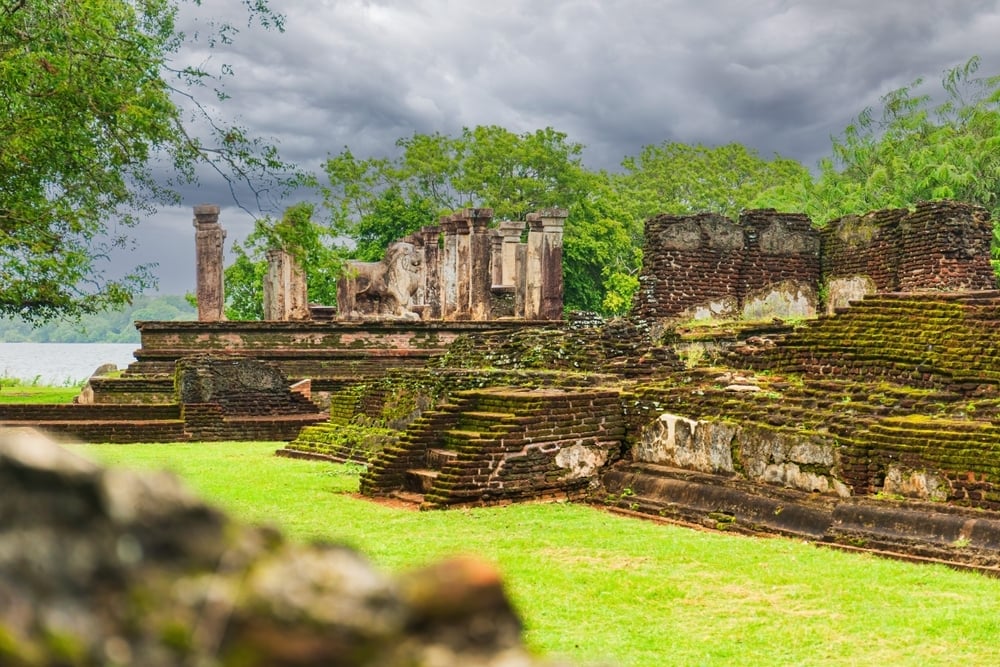
What is Sigiriya’s Lion Rock?
The enormous rock that dominates the landscape is the most recognizable feature of Sigiriya, Sri Lanka. It rises about 180 meters above the surrounding area and served as the center of the capital built by King Kassapa I, who reigned from 477 to 495.
Access to the top is via stairs and galleries. Along the way, you’ll encounter some of the most famous features of the archaeological complex.
|
Location |
What You’ll Find |
|
Lion Rock |
Monumental rock and palace at the top |
|
Lion's Gate |
Remains of the lion-shaped entrance |
|
Frescoes |
Historic paintings on the rock face |
|
Mirror Wall |
Wall with ancient inscriptions |
|
Gardens |
Water gardens and hydraulic structures |
|
Top |
Ruins of the palace complex |
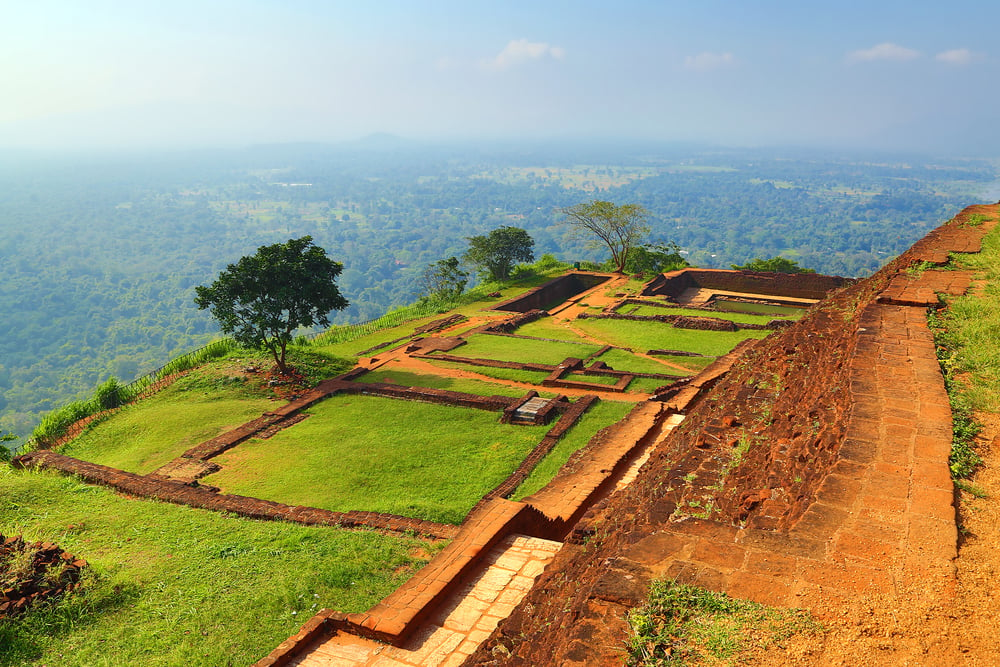
What is the history of the ancient city of Sigiriya?
The region’s history predates the famous palace. There is evidence of human occupation dating back thousands of years, and beginning around the 3rd century B.C., Buddhist monastic communities developed in rock shelters.
The decisive transformation took place in the 5th century, when Kassapa I established a fortified royal city. The complex included moats, walls, gardens, a palace, and sophisticated water systems. You can learn about the full historical context on the official UNESCO page for the Ancient City of Sigiriya at.
What to see on a visit to Sigiriya?
There are several ways to get to the monument.
Lion's Gate and the lion's paws
The ascent originally passed through the mouth of a gigantic lion built of brick and plaster. Today, the enormous preserved paws help convey the scale of this structure and explain the association of Sigiriya with Lion Rock.
Sigiriya Frescoes
The rock walls feature paintings that constitute one of the complex’s most important artistic elements. Their preservation continues to receive international attention: UNESCO has supported specific projects to protect the paintings and access infrastructure.
Palace at the Top
After the climb, you’ll find the remains of the palace complex. In addition to the ruins, the summit offers a sweeping view of the plain and the gardens surrounding the rock.
Sigiriya or Pidurangala: what’s the difference?
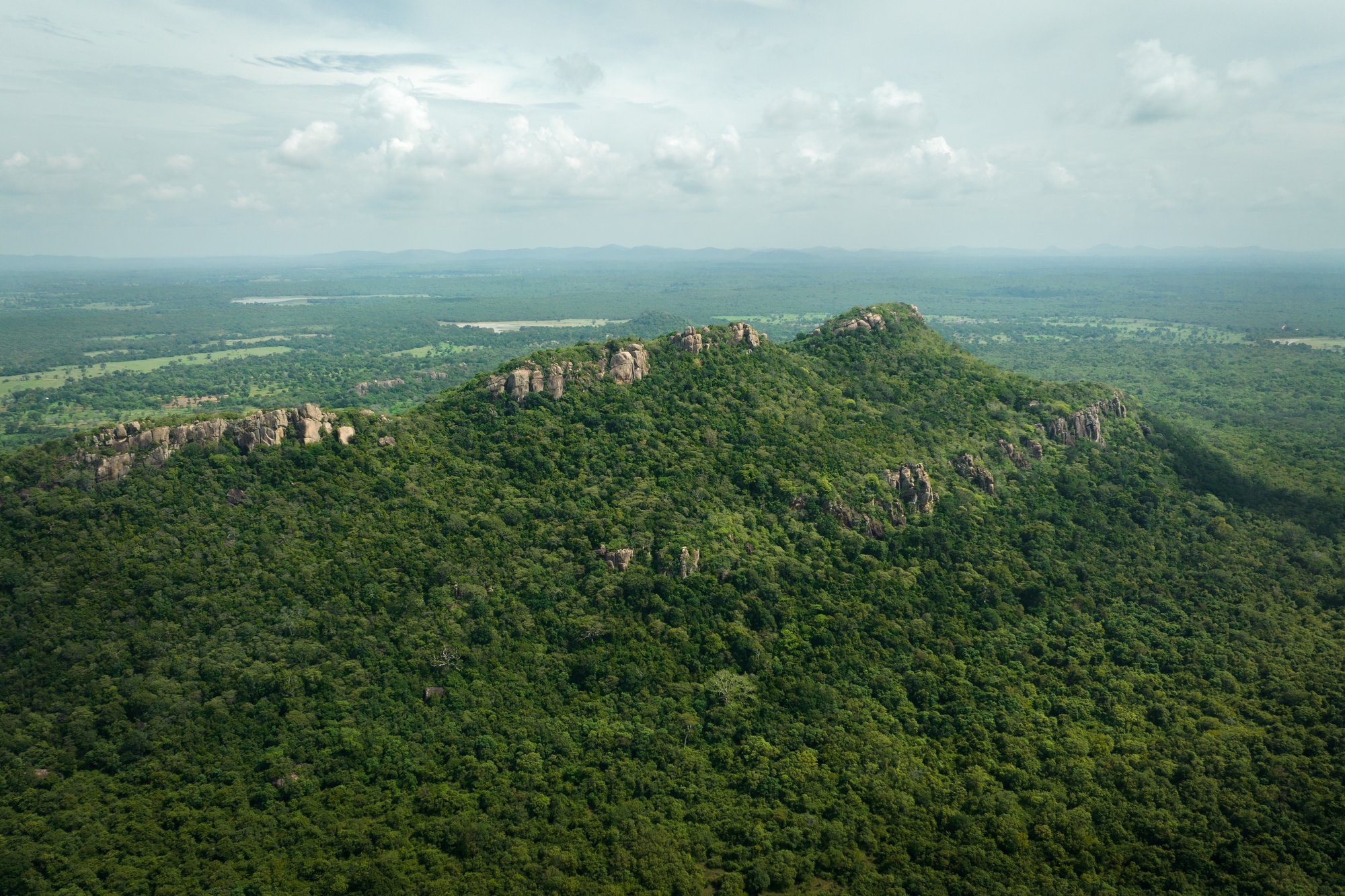
Pidurangala is a nearby rock formation and should not be confused with Sigiriya. While Lion Rock is home to the large archaeological complex associated with Kassapa I, Pidurangala is primarily sought out for its hike and panoramic view of Sigiriya.
For those with time to spare, the two experiences are complementary: one allows you to explore the archaeological heritage, and the other lets you observe Lion Rock as part of the landscape.
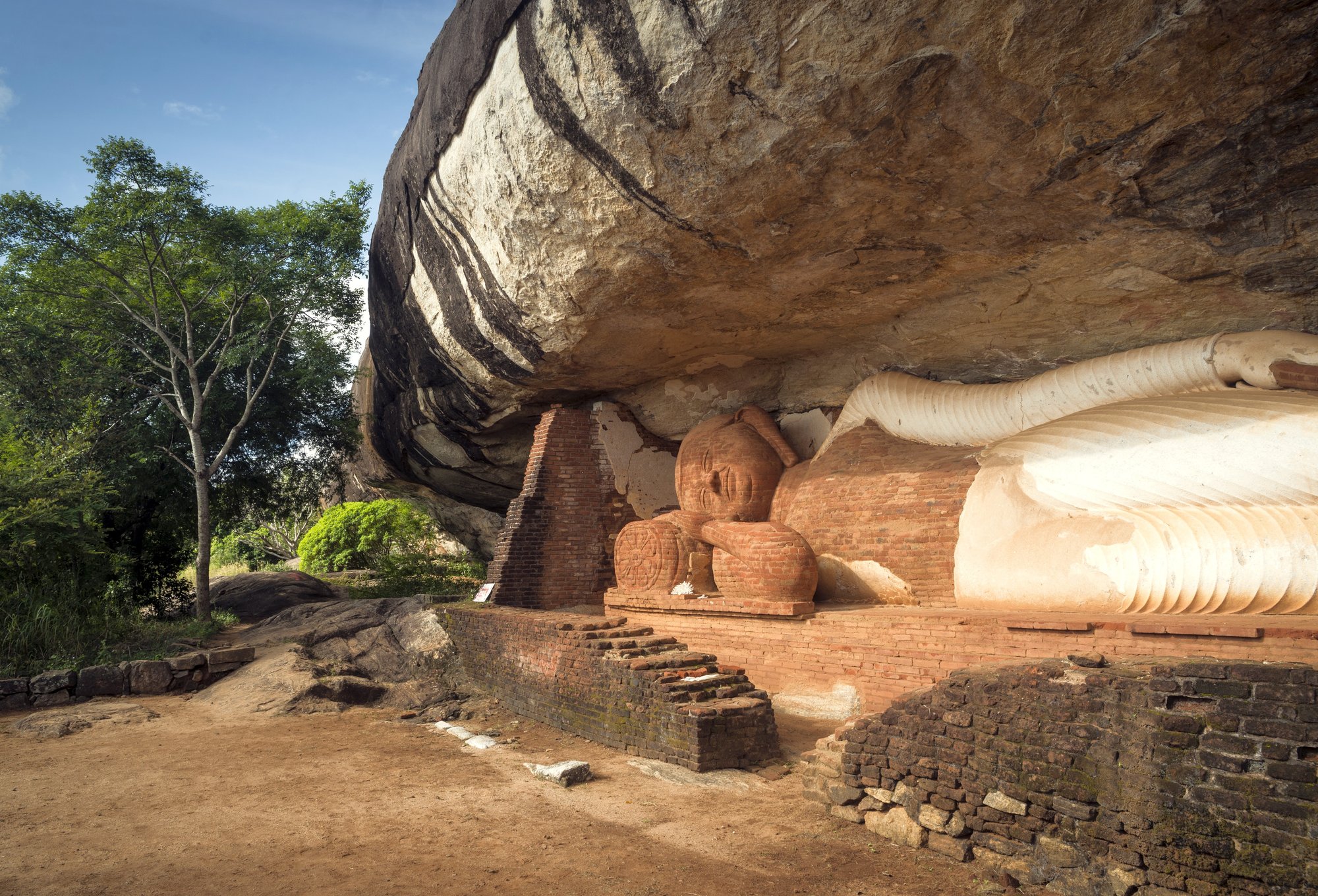
Is it worth combining a visit to Sigiriya and Polonnaruwa?
Yes, especially on a tour focused on Sri Lanka’s history. Polonnaruwa was the country’s second capital after the destruction of Anuradhapura in 993 and still preserves temples, palaces, sculptures, and remnants of the garden city developed during the reign of Parakramabahu I.
Both the Ancient City of Sigiriya and the Ancient City of Polonnaruwa were inscribed as World Heritage Sites in 1982. Sri Lanka currently has eight properties inscribed on the World Heritage List.
Those looking for lesser-known sites may also consider Ritigala, an area associated with ancient monastic traditions, to diversify their itinerary through the country’s interior.
Frequently Asked Questions About Sigiriya
🔹 Where is Sigiriya located?
It is located in the Central Province of Sri Lanka, in the Matale District.
🔹 How tall is Sigiriya’s Lion Rock?
The rock rises approximately 180 meters above the surrounding landscape.
🔹 Who built Sigiriya?
The capital and the palace that made Sigiriya famous were built by King Kassapa I in the 5th century.
🔹 Is Sigiriya a World Heritage Site?
Yes. The Ancient City of Sigiriya has been on the UNESCO World Heritage List since 1982.
Plan your trip to Sri Lanka
From Sigiriya to Polonnaruwa, an itinerary through Sri Lanka combines archaeological sites, nature, and various trips through the country’s interior. Before you leave, check out the options available on Just in Case and plan for the unexpected as well.


5% discount by subscribing the newsletter!
Stay up to date with exclusive tips and special discounts. By subscribing to our newsletter, you get a 5% discount on your first Just in Case travel insurance*.
Campaign valid from 01/01/2025 to 31/12/2026.
 Not now
The personal data you provide will be processed for the purpose of sending marketing communications via e-mail. We remind you that you have the right to withdraw your consent at any time. Your data will never be used by third parties or by organizations outside Fidelidade. For further information on how we process your personal data, please consult our Privacy Policy.
This information does not exempt you from consulting the legally required pre-contractual and contractual information
The Just in Case Travel Insurance is provided by Fidelidade - Companhia de Seguros, S.A., with registered office at
Avenida Álvaro Pais, 14, 1600-007, Lisbon, Portugal
. Share Capital EUR 509,263,524 - registered with ASF under no. 1011.