


 PT
PT


- 1 minute read
 Go back
Home
Go back
Home

The Mausoleum of Halicarnassus is one of the seven wonders of the ancient world and one of the most impressive monuments of antiquity. Located in the city of Halicarnassus, in present-day Bodrum, Turkey, it was built in honor of Mausolus, satrap of Persia, and his wife Artemisia II. This grandiose monument not only commemorates the figure of the ruler, but was also one of the first great works to combine architectural and sculptural elements from various cultures.
What you'll find here:
What is the Halicarnassus Mausoleum?
History of the Halicarnassus Mausoleum
Architecture and features of the Halicarnassus Mausoleum
The legacy of the Halicarnassus Mausoleum
The Halicarnassus Mausoleum today
Frequently asked questions about the Halicarnassus Mausoleum
What is the Halicarnassus Mausoleum?
The Mausoleum of Halicarnassus was a monumental tomb built by Artemisia II after the death of her husband, Mausolus, in the 4th century BC. About 45 meters high, the mausoleum was richly decorated with sculptures and reliefs, including representations of Greek rulers and deities. The ensemble resulted in a fusion of Greek, Egyptian and Lydian architectural traditions, making it a symbol of wealth and power in the region under Persian influence.
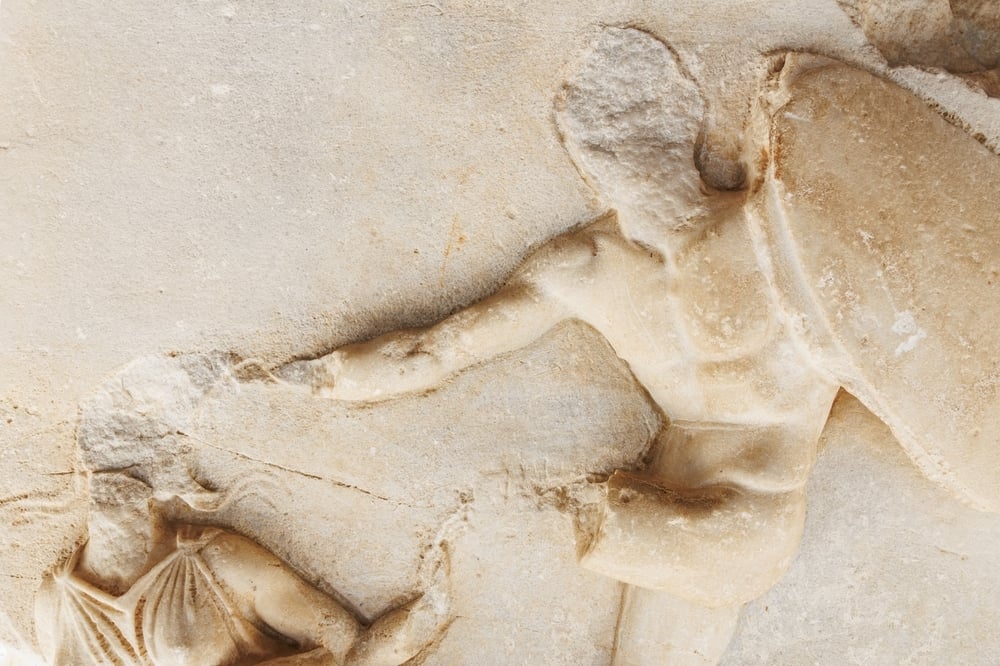
History of the Mausoleum of Halicarnassus
The mausoleum was commissioned by Artemisia II after the death of her husband and brother, Mausolo, who ruled Caria. In mourning, Artemisia wanted to erect a monument that reflected the greatness and prestige of her reign. The project was developed by the architects Pythius and Satyros, and construction took around 11 years, resulting in one of the most imposing wonders of the ancient world.
-
Mausolo: He was a Persian ruler from the region of Caria, in Asia Minor, appointed satrap (governor) of the Persian Empire. He turned Halicarnassus into a prosperous city and was respected for his leadership skills.
-
Artemisia II: After Mausolo's death, he ruled with firmness and intelligence. The mausoleum was both a tribute to her husband and an affirmation of her own power and devotion.
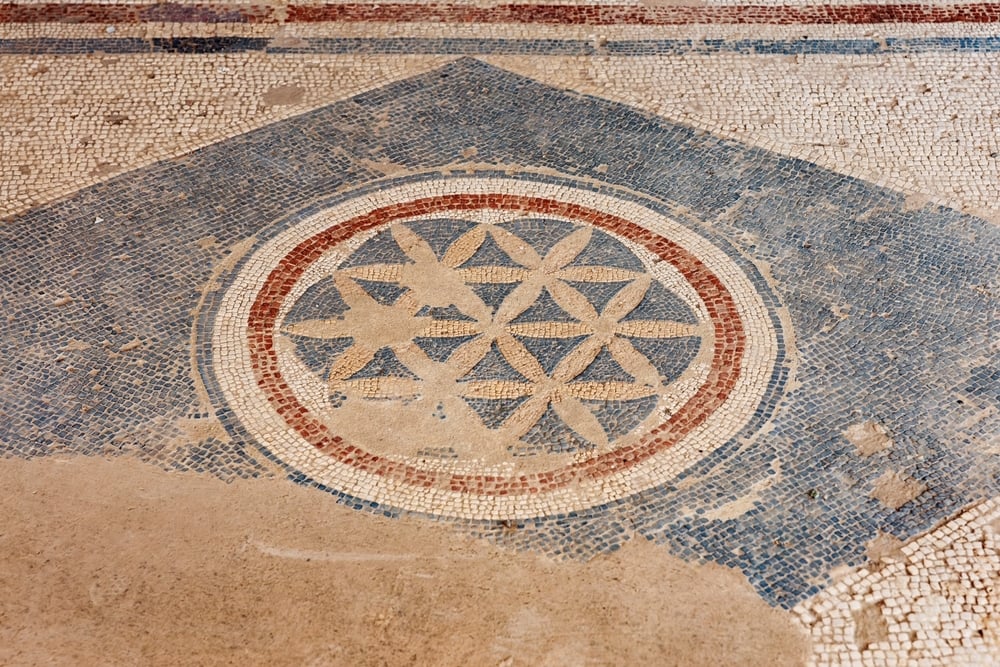
Architecture and features of the Halicarnassus Mausoleum
The Mausoleum of Halicarnassus was a grand and innovative structure for its time. The architecture combined classical Greek style with influences from other cultures, creating a unique monument.
-
Stairs and base: The mausoleum stood on a square marble base, surrounded by staircases. Around it, 36 Ionic columns supported part of the structure, giving it the appearance of a monumental temple.
-
Top: At the top, there was a structure similar to a small temple, with a large sculpture of Mausolo on a chariot pulled by four horses (quadriga).
-
Sculptures: The building was decorated with sculptures by renowned artists such as Scopas, Leochares and Bryaxis, which represented mythological scenes, gods and heroes, reinforcing the symbolic and political character of the monument.
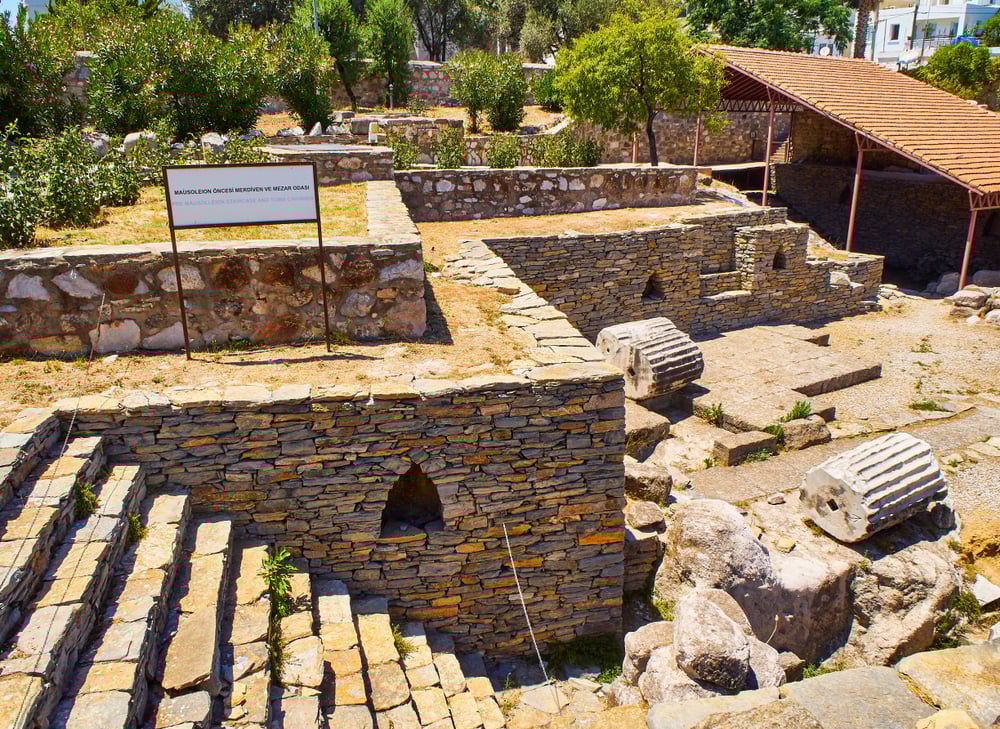
The legacy of the Halicarnassus Mausoleum
The Mausoleum of Halicarnassus was destroyed by several earthquakes during the Middle Ages, and many of its stones were reused in later constructions in Bodrum, including fortifications. Some of the sculptures and architectural fragments were recovered in excavations and can now be seen in museums.
Although only ruins remain, the mausoleum is still one of the most important monuments of ancient history. Its impact was so great that the term "mausoleum" has come to designate, in many languages, any tomb or grandiose funerary monument.
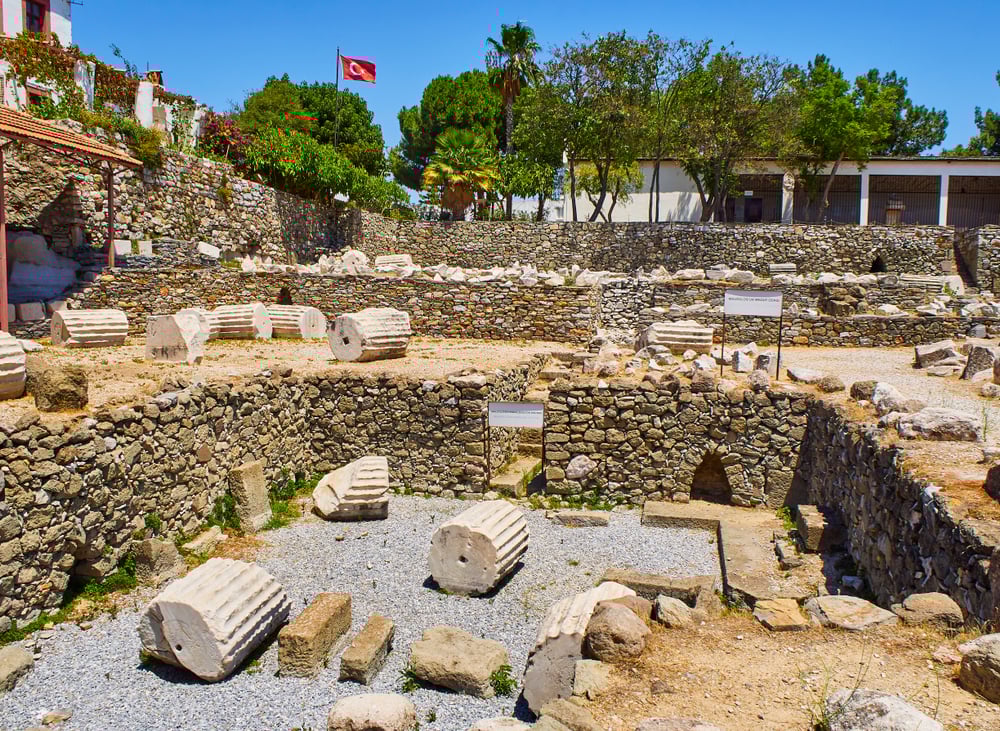
The Halicarnassus Mausoleum today
Today, the ruins of the Mausoleum of Halicarnassus can be visited in Bodrum, Turkey, and is one of the city's main historical attractions. The site offers an interesting insight into ancient Caria and how Greek and Persian art were mixed.
The surrounding area is also known for its coastal landscapes and lively cultural life, making it possible to combine a visit to the archaeological site with other tourist programs in the region.
Frequently asked questions about the Mausoleum of Halicarnassus
🔹 Where is the Mausoleum of Halicarnassus?
The Mausoleum of Halicarnassus is located in Bodrum, in southwest Turkey, in the area where the ancient city of Halicarnassus used to be.
🔹 Who had the Mausoleum of Halicarnassus built?
The monument was commissioned by Artemisia II in honor of her husband Mausolo, satrap of Caria, and designed by the architects Pythius and Satyros.
🔹 Does the Mausoleum of Halicarnassus still exist?
The original building was destroyed by earthquakes, but the ruins can be visited in Bodrum and many of the sculptures and fragments are now in international museums, such as the British Museum.
Exploring one of the wonders of the ancient world, such as the Mausoleum of Halicarnassus, doesn't have to be hard on the budget. With Just in Case, you have the ideal plan to discover Bodrum and the remains of this monumental work with greater peace of mind, safety and accessibility, whether on a historical, cultural or Mediterranean getaway. Visit our webapp, explore the Standard Plan and do a Just in Case before you set off!


5% discount by subscribing the newsletter!
Stay up to date with exclusive tips and special discounts. By subscribing to our newsletter, you get a 5% discount on your first Just in Case travel insurance*.
Campaign valid from 01/01/2025 to 31/12/2026.
 Not now
The personal data you provide will be processed for the purpose of sending marketing communications via e-mail. We remind you that you have the right to withdraw your consent at any time. Your data will never be used by third parties or by organizations outside Fidelidade. For further information on how we process your personal data, please consult our Privacy Policy.
Not now
The personal data you provide will be processed for the purpose of sending marketing communications via e-mail. We remind you that you have the right to withdraw your consent at any time. Your data will never be used by third parties or by organizations outside Fidelidade. For further information on how we process your personal data, please consult our Privacy Policy. This information does not exempt you from consulting the legally required pre-contractual and contractual information
The Just in Case Travel Insurance is provided by Fidelidade - Companhia de Seguros, S.A., with registered office at
Avenida Álvaro Pais, 14, 1600-007, Lisbon, Portugal
. Share Capital EUR 509,263,524 - registered with ASF under no. 1011.